Last updated
The problem
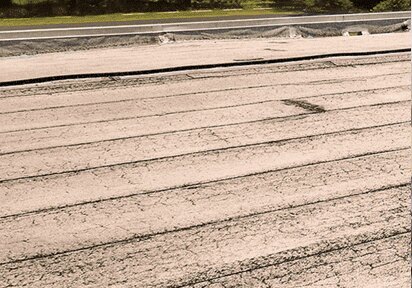
A 26-year-old modified bitumen roof over the administrative offices of a church in Eatonville, Florida had reached advanced granule loss and started leaking, and a full tear-off and replacement was cost-prohibitive for the congregation.
The roof over the church's administrative offices was 26 years old and showing it. Granule loss had gone far enough that the cap sheet was nearly smooth in places — and the granules are the asphalt's only UV protection. Once they are gone the membrane beneath oxidizes, hardens and crazes, and leaks follow.
A church puts unusual demands on the people who run it. Preaching, counseling, managing operations, community work, speaking engagements — a recurring building problem is the last thing that schedule needs. The goal was never a patch. It was a long-term fix.
That left the decision every institutional property owner reaches eventually: fund a capital replacement the budget cannot absorb, or keep paying for repairs that never quite stop.
The solution
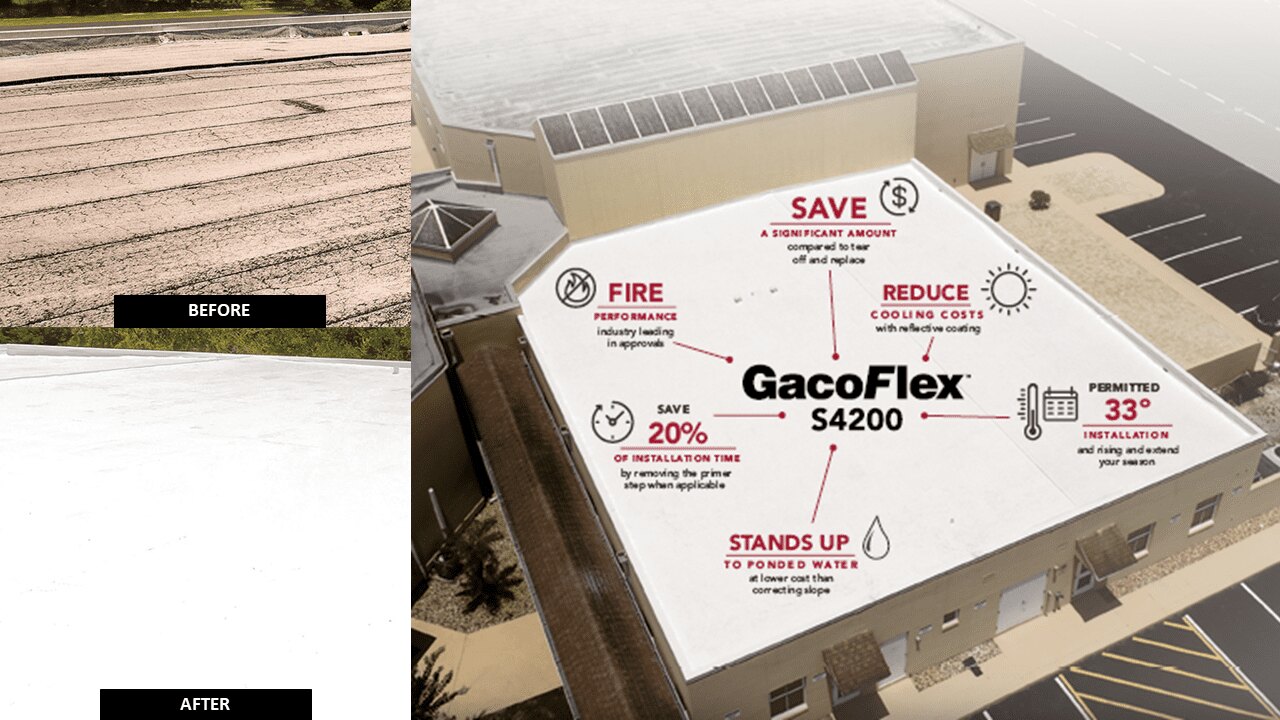
We specified a GacoFlex S4200 100% silicone roof coating system applied directly over the existing modified bitumen roof. The membrane was cleaned, its seams and penetrations repaired and reinforced, and the silicone applied to the manufacturer's specified mil thickness across the full field.
Weathered modified bitumen is one of the best substrates silicone bonds to, and this roof proved it. “We had to prime a few spots but for the most part you don’t have to prime it,” as T.J. McMahan put it at the time. For most of the roof the crew only had to clean the surface and coat it — which is where the schedule saving came from, because removing the primer step cuts roughly 20% off installation time.
Speed mattered here more than it would on a warehouse. Less time on the roof meant less disruption to church members and staff, and a crew that could get on and off without the building working around them.
Adhesion was the other reason for this system. Florida roofs expand and contract hard every single day, and a coating that does not hold cracks at exactly that stress. S4200's bond to the existing roof absorbs that movement instead of fighting it.
The outcome
The administrative offices went from an actively leaking, end-of-life roof to a sealed, seamless, warrantied membrane — without the congregation funding a replacement and without a single service being moved. At the end of the warranty term the same roof can be cleaned and recoated rather than torn off.
The energy side was a bonus rather than the goal. Taking a dark, heat-absorbing roof in central Florida and turning it white changes what the building does with the sun: a reflective roof transfers less heat to the space below, so it stays cooler and spends less on air conditioning. Lower energy use also means less of the air pollution and greenhouse gas that goes with generating it.